Yacht Sale Control
Why Yacht Sales Fail Before the First Buyer Calls: A Yacht Sale Control Perspective
Most yacht sales do not fail at the negotiation table. They fail earlier, when owner expectations, market reality and the sales strategy are not aligned.
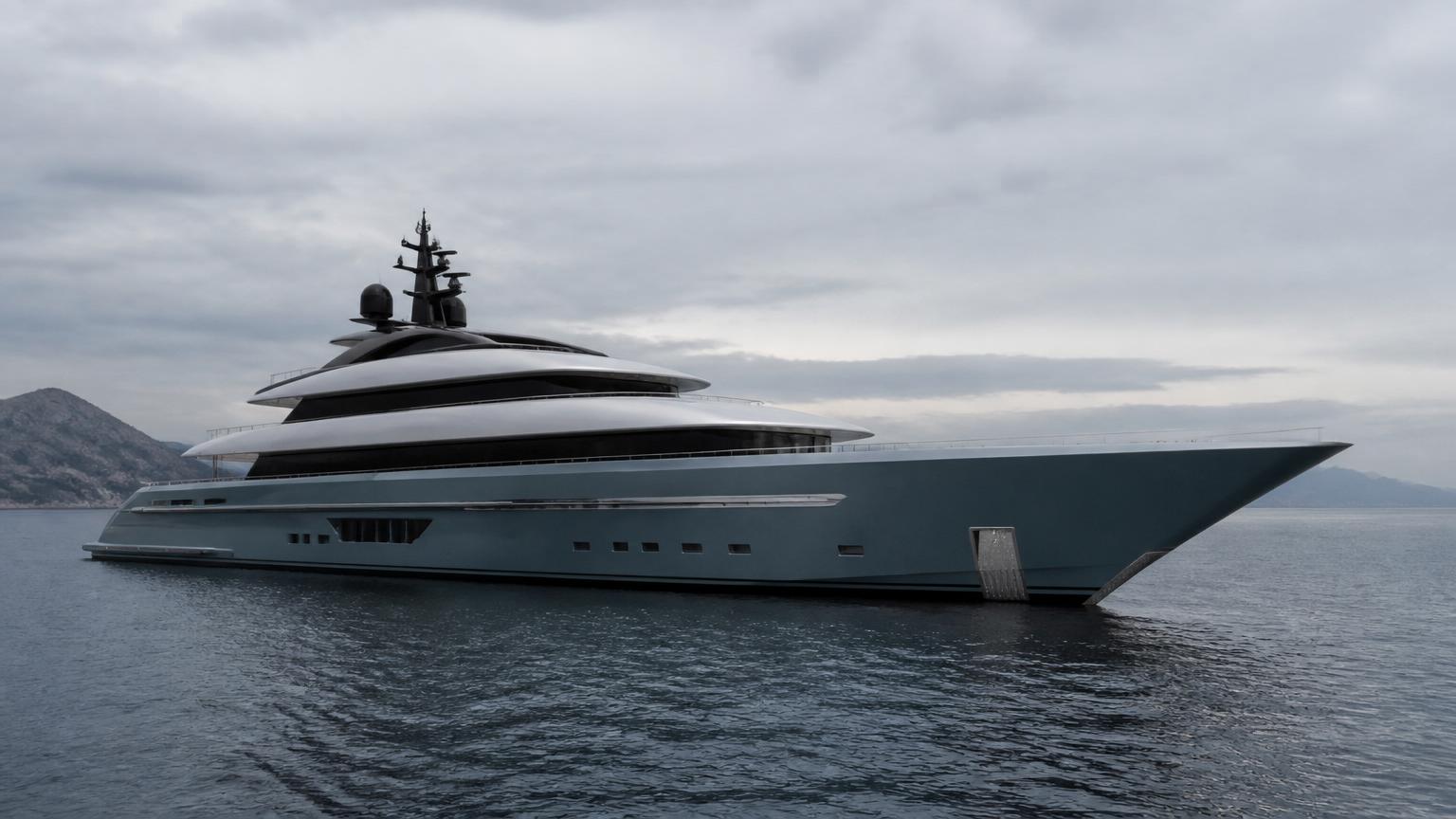
Most yacht sales do not fail at the negotiation table. They fail much earlier.
They fail in the quiet phase before the first serious buyer calls, before the first viewing is arranged, before the first offer is rejected and before the owner starts asking why the market is not responding.
That is the part of the sale process that is often underestimated. From the outside, a yacht listing looks active once it is published. The brochure is ready, the photographs are online, the broker has announced the yacht, the market has been informed and everyone waits for interest. But in many cases, the most important decisions have already been made by then. The price has been set. The story has been framed. The market position has been assumed. The owner's expectation has been accepted. The buyer profile has been guessed. The sales strategy has already taken shape.
If those early decisions are wrong, the listing starts with a weakness that no amount of exposure can fully repair.
I call this Yacht Sale Control: the discipline of managing a yacht sale before the market creates the wrong perception. It is not about making the yacht louder. It is about making the sale position stronger, clearer and more credible.
As an independent Yacht Advisor in Dubai, I often see this from the owner's side. The problem is rarely that the owner does not care. In fact, it is usually the opposite. Owners care deeply. They know the yacht, they know what they paid, they know what they invested, they know what was improved, they know the history, the crew, the refit decisions and the small details that made the yacht valuable to them.
The market does not see it that way.
The market sees an asset competing against other assets.
That difference is where many sales begin to lose control.
The sale often fails before the listing feels weak
A typical advisory conversation does not start with a dramatic problem. It often starts with a simple question from an owner or representative. The yacht is for sale, the asking price feels reasonable to them, the broker has done the usual launch activity, but the response is weaker than expected. There may be some polite interest, a few conversations, perhaps even a viewing or two, but nothing serious enough to create momentum.
The owner's first instinct is understandable. They ask whether the yacht needs more visibility. More broker outreach. More posts. More exposure. More reminders to the market.
But the better question is different.
Has the market already seen the yacht and decided not to act?
That question changes everything.
Why owner perception and market perception are different
In one recent type of advisory situation, the owner's concern was that the yacht was not getting enough attention. On paper, that seemed possible. The listing had not produced the level of interest they expected. The owner believed the yacht had strong attributes and felt the market simply needed to be reminded. But when we looked deeper, the issue was not invisibility. The yacht was visible enough to be judged. The real problem was that the market had no clear reason to choose it over the alternatives.
The yacht had a strong emotional case for the owner, but a weak commercial case for the buyer.
That is a painful distinction, but it is essential.
The owner saw the investment history. The buyer saw the next five years of cost. The owner saw improvements. The buyer saw age, technical risk and comparison points. The owner saw character. The buyer saw competing yachts with cleaner pricing, stronger documentation or easier justification. The owner believed the asking price reflected quality. The market saw a negotiation starting point that did not fully match the perceived risk.
None of this means the yacht was bad. Many unsold yachts are not bad yachts. They are often good yachts with unclear positioning.
That is why yacht sales can fail before the first serious buyer calls.
What silence from the market really means
A buyer does not need to make an offer to reject a yacht. Sometimes the rejection happens silently. The yacht appears in a search, is compared, discussed, saved, dismissed and forgotten. No dramatic feedback arrives. No direct criticism is given. The broker may not receive a clear reason. The owner only sees silence.
But silence is still market feedback.
The mistake is to treat silence as a lack of marketing. Sometimes silence means the yacht is not credible at the current price. Sometimes it means the story is too generic. Sometimes it means the documentation does not answer the questions buyers already have. Sometimes it means the buyer profile is wrong. Sometimes it means the yacht is being positioned against the wrong competitors. Sometimes it means the seller is asking the market to accept a premium without giving the market enough evidence.
This is where advisory work matters.
The task is not to make the yacht sound better. The task is to understand why the market is not convinced.
A yacht listing should not only describe the yacht. It should defend the reason to buy it. That defence must be built before the listing goes live, not after months of weak response. If a yacht has older technical systems, the buyer concern must be anticipated. If the asking price is above comparable alternatives, the premium must be explained with facts. If the yacht has a unique layout, the right buyer profile must be defined clearly. If the yacht has had meaningful refit work, the documentation must be organised in a way that reduces perceived risk. If the yacht is in a competitive segment, the owner must understand what alternatives are shaping buyer expectations.
The most expensive mistake is not always a wrong price. Sometimes it is a slow recognition of a wrong price.
Why more exposure can repeat the same problem
Owners often want to test the market. That is normal. But testing the market without a review process is dangerous. A yacht can spend months gathering negative signals while everyone calls it patience. By the time the owner accepts that something must change, the listing may already feel tired. Buyers have seen it before. Brokers have spoken about it before. The market has built a view.
At that stage, a price reduction may still help, but it no longer has the same power as a disciplined adjustment made earlier. The reduction is now interpreted through the history of the listing. Buyers ask why it took so long. They may assume there is more room to negotiate. The seller loses control of the narrative.
This is why a yacht sale needs management before it needs more exposure.
Exposure brings the yacht to attention. Management makes sure the yacht can survive attention.
There is a big difference.
If the market sees a yacht with a weak price logic, more exposure does not solve the issue. It only shows the issue to more people. If the market sees a yacht with vague claims and limited evidence, more exposure does not create trust. It creates repetition. If buyers already believe there are better alternatives, another announcement will not change their mind unless the position itself changes.
The goal is not to make the yacht louder. The goal is to make the yacht easier to believe.
A buyer needs to believe the price logic. They need to believe the condition story. They need to believe the seller is realistic. They need to believe that the yacht is worth inspecting compared with other options. They need to believe that the process will be professional. If those elements are missing, visibility alone will not create a sale.
What Yacht Sale Control means in practice
For me, Yacht Sale Control starts before the first buyer calls. It starts when the owner's expectation, the broker's strategy and the market's reality are aligned before the listing begins to lose momentum.
That is the human side of this work. Owners are not spreadsheets. They are people making decisions around very personal assets. Selling a yacht can involve pride, frustration, memories, sunk costs, operational pressure and the uncomfortable feeling that the market is judging something they value. A good advisory conversation has to respect that, but it also has to protect the owner from the cost of denial.
The market does not pay for what the yacht means to the owner. It pays for what the yacht represents to the next buyer.
That sentence is often the turning point.
Once an owner accepts that distinction, the conversation becomes more productive. Instead of asking why buyers do not appreciate the yacht, we can ask what buyers are actually comparing. Instead of pushing the same message again, we can examine whether the message answers the real objections. Instead of assuming the broker needs to work harder, we can ask whether the broker has been given a position that is genuinely sellable. Instead of waiting for the market to change, we can decide what needs to change in the sale strategy.
This does not mean every yacht needs a price cut. That is too simple. Some yachts need better documentation. Some need clearer positioning. Some need a different buyer profile. Some need a more honest competitive analysis. Some need the owner to understand that a previous refit cost does not automatically convert into resale value. Some need the broker, owner and advisor to agree on a review rhythm instead of reacting emotionally after months of frustration.
The common point is control.
A controlled sale process knows what is being tested. It knows what feedback means. It knows when to adjust. It separates real buyer objections from noise. It distinguishes between low quality interest and serious demand. It gives the owner a clearer view of the market before the market forces a decision.
Why early diagnosis protects value
That is what many yacht sellers are missing.
They do not need more optimistic updates. They need a better diagnosis.
They do not need another generic description. They need a clearer argument.
They do not need the market to be reminded again. They need to know why the market has not acted.
This is especially important in today's market, where buyers are more informed, more selective and more comfortable comparing alternatives. They can track listing history, price reductions, market time and competing yachts. They speak with captains, surveyors, advisors and brokers before they move seriously. They do not respond to a yacht simply because it is presented beautifully. They respond when the opportunity makes sense.
The questions every owner should answer before asking for more visibility
For owners, the practical lesson is simple. Before asking for more exposure, ask whether the sale position is strong enough to deserve it.
Is the price defendable against direct alternatives? Is the yacht's strongest buyer profile clearly defined? Are the most likely objections already answered? Is the documentation ready for a serious buyer review? Has feedback been collected and interpreted properly? Is the broker activity measurable? Is there a clear decision point if the market does not respond?
If these questions are not answered, the listing may be weak before the first buyer ever calls.
That is why I see yacht advisory less as a reaction to failed sales and more as protection against avoidable mistakes. The best moment to control a sale is not after the yacht has been sitting on the market for a year. It is before the market forms the wrong opinion.
Conclusion: Control before noise
A yacht sale does not fail only when an offer falls apart.
It can fail much earlier, when the owner's expectation, the market reality and the sales strategy are not aligned.
By the time the first serious buyer calls, the yacht should already be positioned with discipline. The price should have a logic. The story should have a purpose. The documentation should reduce doubt. The broker should know the real objections. The owner should understand the competitive landscape.
That is what makes a yacht sellable.
Not more noise.
Control.
FAQ
Frequently asked questions
What is Yacht Sale Control?
Yacht Sale Control is an independent advisory approach focused on managing a yacht sale before the market forms the wrong perception. It reviews pricing, buyer feedback, broker activity, listing quality, documentation, market comparables and decision timing.
Why do yacht sales fail before the first buyer calls?
Many yacht sales start with misalignment between owner expectations, market reality and listing strategy. If price logic, buyer profile, documentation or positioning are weak, serious buyers may reject the yacht silently before making contact.
Does more exposure help sell a yacht?
More exposure helps only when the yacht's market position is already credible. If the price, story or documentation are weak, more exposure may simply repeat the same unresolved issue to more people.
When should a yacht owner request independent advisory support?
An owner should request independent support before listing, after several months without serious offers, before a major price reduction or when broker feedback is too vague to support clear decisions.