Buyer Advisory

    Common Mistakes When Buying a Yacht

    Most expensive yacht buying mistakes are not exotic. They are the same patterns repeated across very different yachts and very different buyers. Recognising them in advance is the cheapest form of protection.

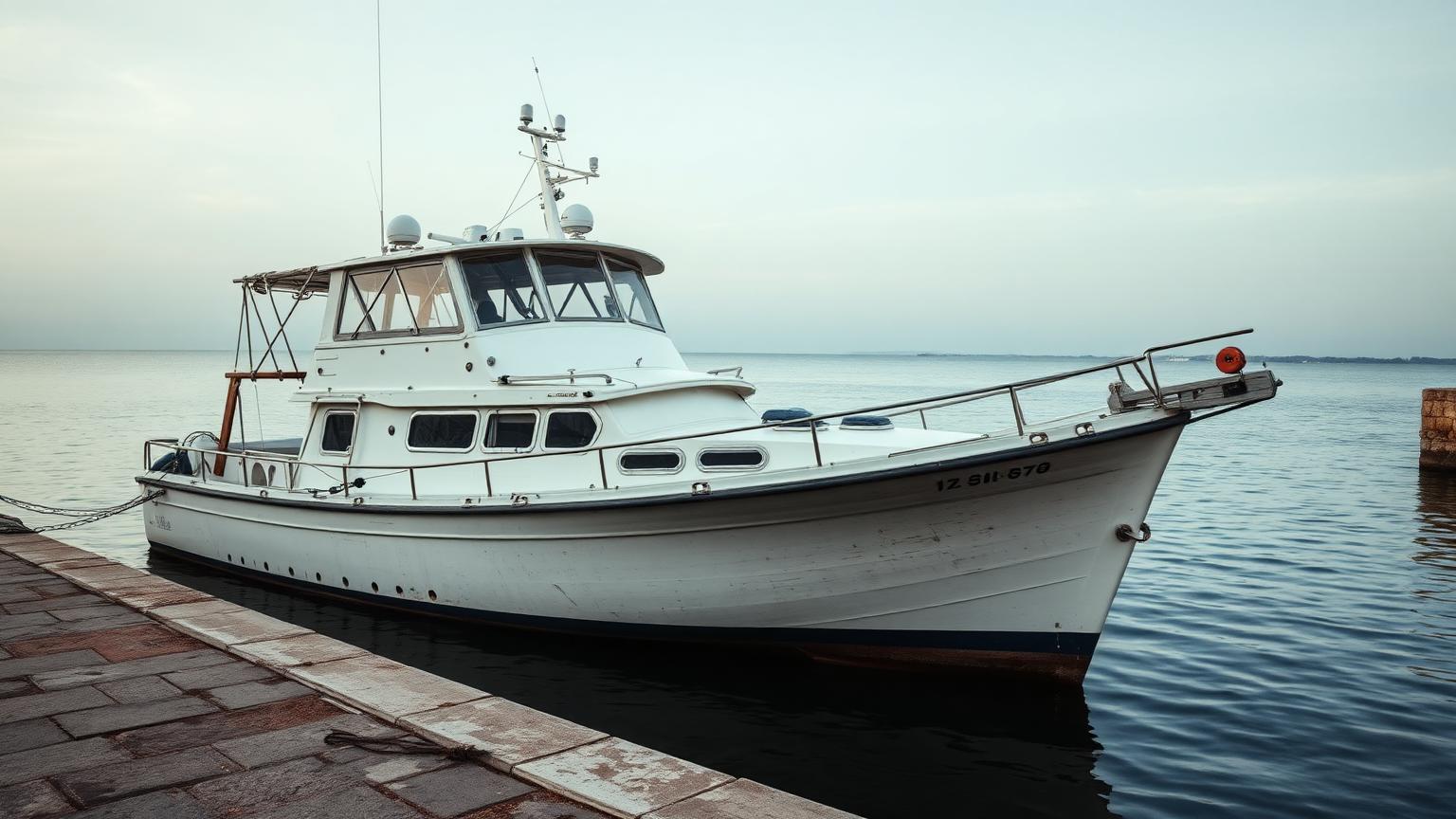
    Older yacht moored at a quiet quay illustrating common buying mistakes

    Skipping the brief

    Buyers often start with a yacht in mind before defining the use case. Cruising region, range, guest count, charter ambition, crew tolerance and refit appetite all change the answer before any specific yacht should be considered.

    A clear brief filters out more wrong yachts than any survey ever will, and it costs nothing to write down.

    Treating asking price as market value

    An asking price is a hypothesis. It reflects what the seller hopes the market will pay. Comparable listings, recent sales and days on market tell a more honest story.

    Buyers who anchor to the listing price miss the actual price band the segment is supporting. That gap usually shows up in the negotiation, often in the seller's favour.

    Underestimating the full cost of ownership

    Purchase price is the down payment on a multi year cost. Crew, berth, fuel, maintenance, insurance, refit, surveys and management add up to a meaningful annual figure that should be modelled before the offer.

    A purchase that fits the balance sheet today and not the running cost tomorrow is not a good purchase.

    Letting emotion lead the offer

    The yacht looks better in person. The deck space is exactly what the brief described. The owner is charming. None of that changes the segment data or the comparables. Emotional momentum is the most consistent reason buyers overpay.

    Discipline at the offer stage is worth more than any negotiation skill later.

    Older yacht moored at a quiet quay illustrating common buying mistakes

    Treating the survey as the analysis

    The survey verifies condition. It does not, on its own, justify the price or the position. Buyers who delay all analysis until the survey are by then already committed in time, money and attention.

    Analysis belongs before the offer. Survey verifies what the analysis assumed.

    Negotiating without a walk away point

    Without a defined walk away point, every negotiation drifts toward the seller's preferred outcome. The walk away point should be set before negotiation begins, based on the analysis, not adjusted in the heat of the conversation.

    Not getting an independent second opinion

    By definition, the listing broker cannot be fully independent on the buyer's behalf. The lowest cost intervention in the entire process is an independent second opinion before the deposit. Skipping it is the most consistent unforced error.

    FAQ

    Frequently asked questions

    Treating asking price as market value. Anchoring to the listing price means negotiating against the seller's hypothesis instead of against actual segment data.

    Need a clearer view before your next yacht decision?

    Yacht Advisor provides independent analysis for buyers, sellers, owners and brokers before pricing, listing, buying or negotiating a yacht.